Vanishing Languages—Assigned for Nov 4
How does sustaining the diversity of cultures relate to the general task of sustainability?

Vanishing Languages—Assigned for Nov 4
How does sustaining the diversity of cultures relate to the general task of sustainability?
NFL quarterback Colin Kaepernick’s refusal to stand for the “Star-Spangled Banner” has provoked a national conversation about athletes, protest, and patriotism. We share resources below for learning more about the history of protest in sports, the Star-Spangled Banner, and the Movement for Black Lives. Kaepernick explained why he will not stand for the anthem, I […]
Source: Athletes, Protest, and Patriotism – Teaching for Change : Teaching for Change

It’s June in New York City—a humid late afternoon—and a dozen neighbors are gathered just outside the community garden they care for at 237 Maple Street, in the Brooklyn neighborhood of Prospect-Lefferts Gardens.
Source: How a Gentrification Scam Threatens New York’s Community Gardens | The Nation
update from my sis
I’m over the hump, 7 out of 12 chemo’s under my belt, and so far I’m still tolerating them pretty well. I asked my oncologist about this and she said that the weekly treatments, with smaller doses, are easier on the patient, and also very deadly to the cancer as they catch many rounds of cell generation. I get fatigued and have had some diarrhea a few days after treatment, but all things considered, I’m doing okay. I’m glad that my body is fighting strong and putting up with all this and I’m hoping it keeps up!
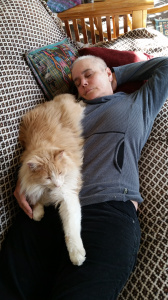 Felinoterapia gracias a Koshka. The cat making sure I get my rest.
Some people have asked what chemo is actually like, so I’ll give a brief description. On Wednesdays I get a ride to work with my carpool buddy, and work the morning. Around noon, a colleague will give me a ride to the…
View original post 1,499 more words

Ikea may have built a better temporary shelter, but the process for getting refugees permanent homes is still broken.
Source: Helping Refugees Isn’t Just About Designing Better Shelters | WIRED
Through coalitions like the C40 Cities Climate Leadership Group and Compact of Mayors, cities have been committing to major reductions in carbon emissions
Source: All Climate Change Is Local
A winter storm is moving across the mountains today preceded by winds and hopefully bringing much needed moisture. We have been back almost a month now with momentum pulling us back into our daily lives and communities. The sharp images, the fine details, the personal contacts made in Africa are less frequent. Still I know stones have been thrown into the waters, hearts, and the ripples will continue. I know through GLI an active network exists bridging Uganda, Rwanda and Colorado with great potential to expand and connect with active participation.
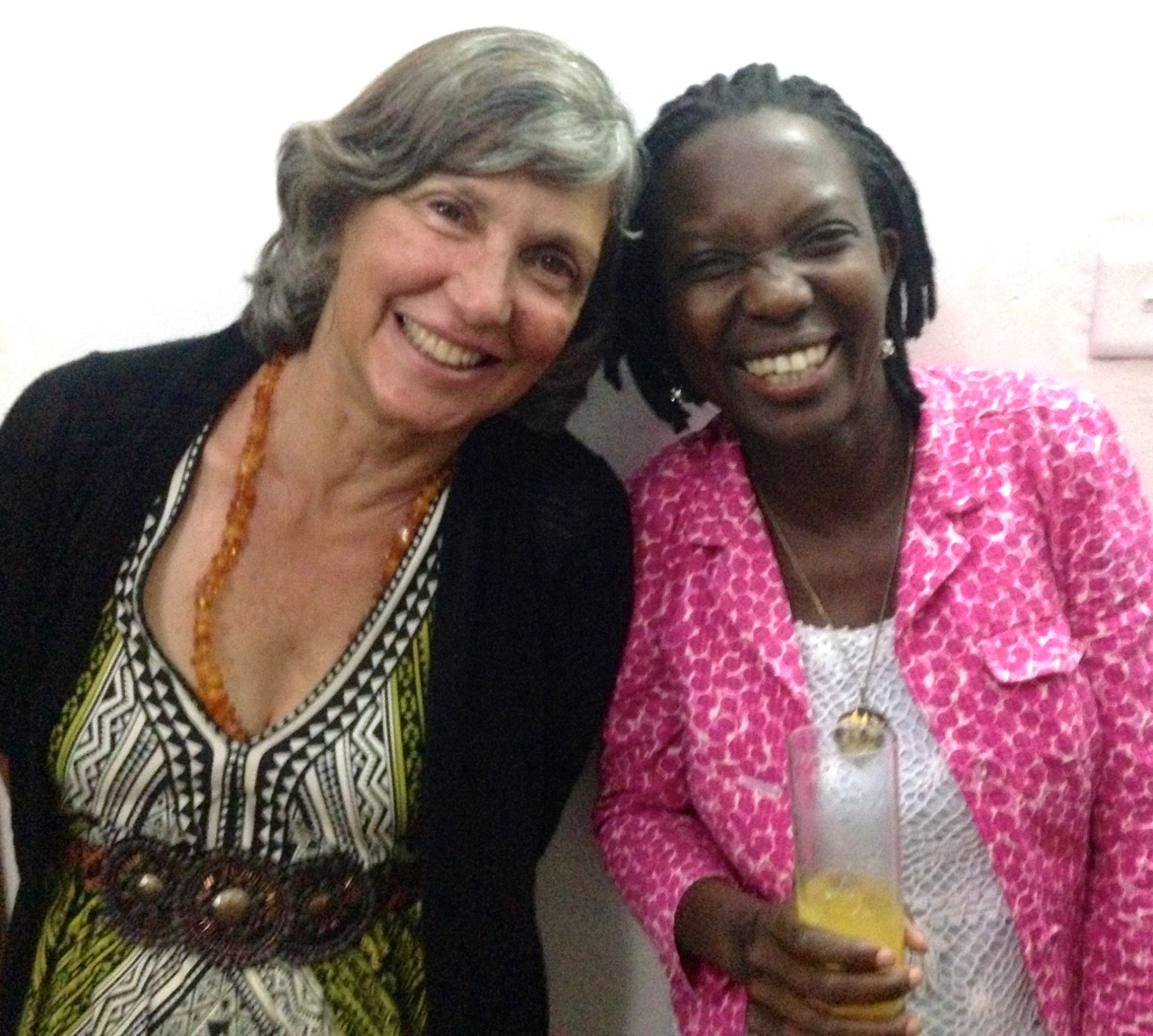
What is present for me today are reflections on the many opportunities for person-to-person contacts that I had with people in Uganda and Rwanda. I am grateful for the evenings when guest speakers came for dinner. Powerful women such as Agnes Igoye and Catherine Anite. Both of these women have received recognition by the UN, the Obama Administration and the Clinton Foundation for their work. Agnes’s work on human trafficking came out of her childhood experiences. Through her active, creative, self initiated work she was instrumental in creating an anti-human trafficking law and she holds an important position in President Museveni’s administration. When the Ugandan government moves slower than the solutions she feels are essential she problem-solves by providing shelter in her own home, going into the northern war zone, building homes /huts and establishing work. Another of our dinner guests, Catherine Anite, does her human rights work in the courtroom by defending freedom of the press which is essential to fair elections and anticorruption.
During the first class debrief, a thoughtful student shared that she was at a party where she was discussing her trip with friends. At some point, she became keenly aware that others did not have even an elemental understanding of Africa. “You need to learn something about this. You need to study more about the world.” she replied. I love the fresh truth of this comment.

As I think about the most powerful lessons from this experience I wonder how they could be applied closer to home. I have a fear, a reversal and a challenge. I feel apprehensive when I ask myself whether US communities would be as respectful, interested, generous and engaged with visiting African students as were the people we met in Uganda and Rwanda. Can you imagine the trip reversal, Ugandan and Rwandan students traveling to Colorado to visit marginalized communities or the most impoverished American slums not to mention the inside of national prison systems? Picture the group traveling not to experience the Rocky Mountains but rather to stop at memorials of our darker history such a Ludlow, Sand Creek, Ferguson and to be introduced to the working of our corrupt political lobbies. On the other hand I would love to take other trips in my own country using the GLI mode: to places where I am held back by fear of difference, ignorance, and the deep, deep presumed barriers of race, gender, religion, cultures and class disparities. This brings me to the challenge to myself. I realize that whether traveling far from home or in my daily life, it is important and sometimes difficult, to engage with people and communities who can broaden my perspective of this complex world and all of its challenges and possibilities and to keep my heart open to the experience of this African trip to continue to deepen, expand and seek real relationships so well worth our shared lives.
We made it home last night after a long but smooth journey. Still have some things to post on the blog as time permits. Stay tuned.
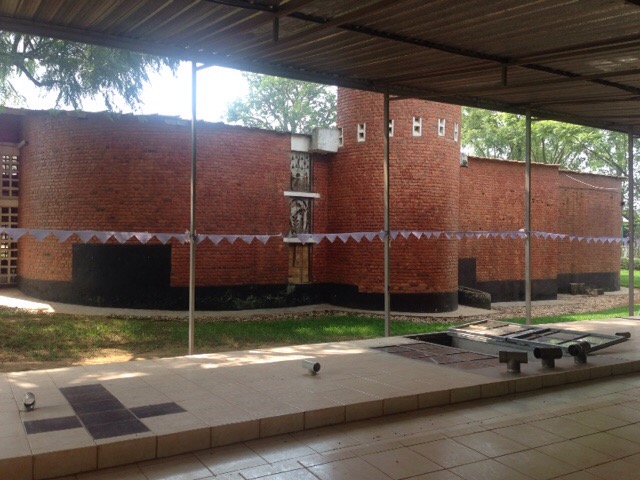
Walking through the genocide memorial at the church in Nyemata I am dull, disgusted by the broken skulls and bones of people murdered without mercy–babies and their mothers, toddlers, adolescents, and elders, 50,000. Trudging inert after the tour guide, so distant from the frenzy of violence that raced to outdo every act of humiliation, rape and torture. I descend steps into the mass grave behind the church where shelves of skulls are neatly arranged in rows and columns, rescued from jumbled tangles where they lay dead, pulled from rivers and latrines. I question my reason for looking at these horrors. Am I learning something that will save a life or stop a hand from violence? Or do I indulge ghoulish curiosity like the creative fiends with their long knives?

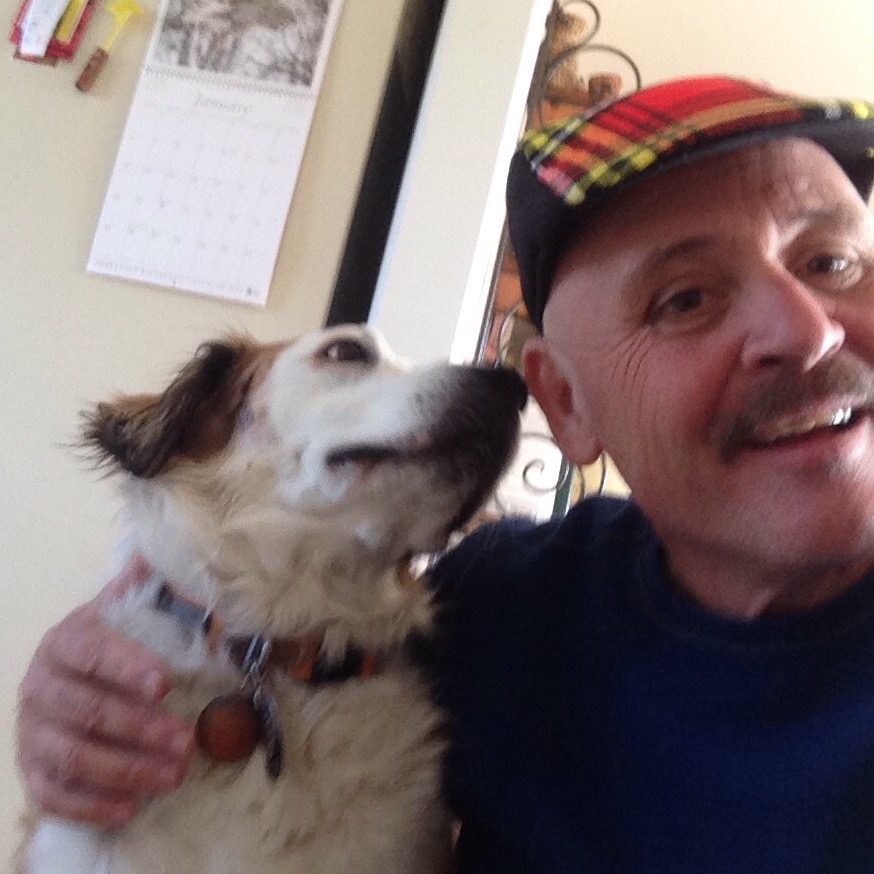
 Profe Kee