Profe Kee

sociological reflections for a world of beauty

  • About

The other Rwanda

Posted by profekee on January 14, 2015
Posted in: Community Development Class in East Africa—2015, Uncategorized. Tagged: #uccsafrica #listenthinkact. Leave a comment

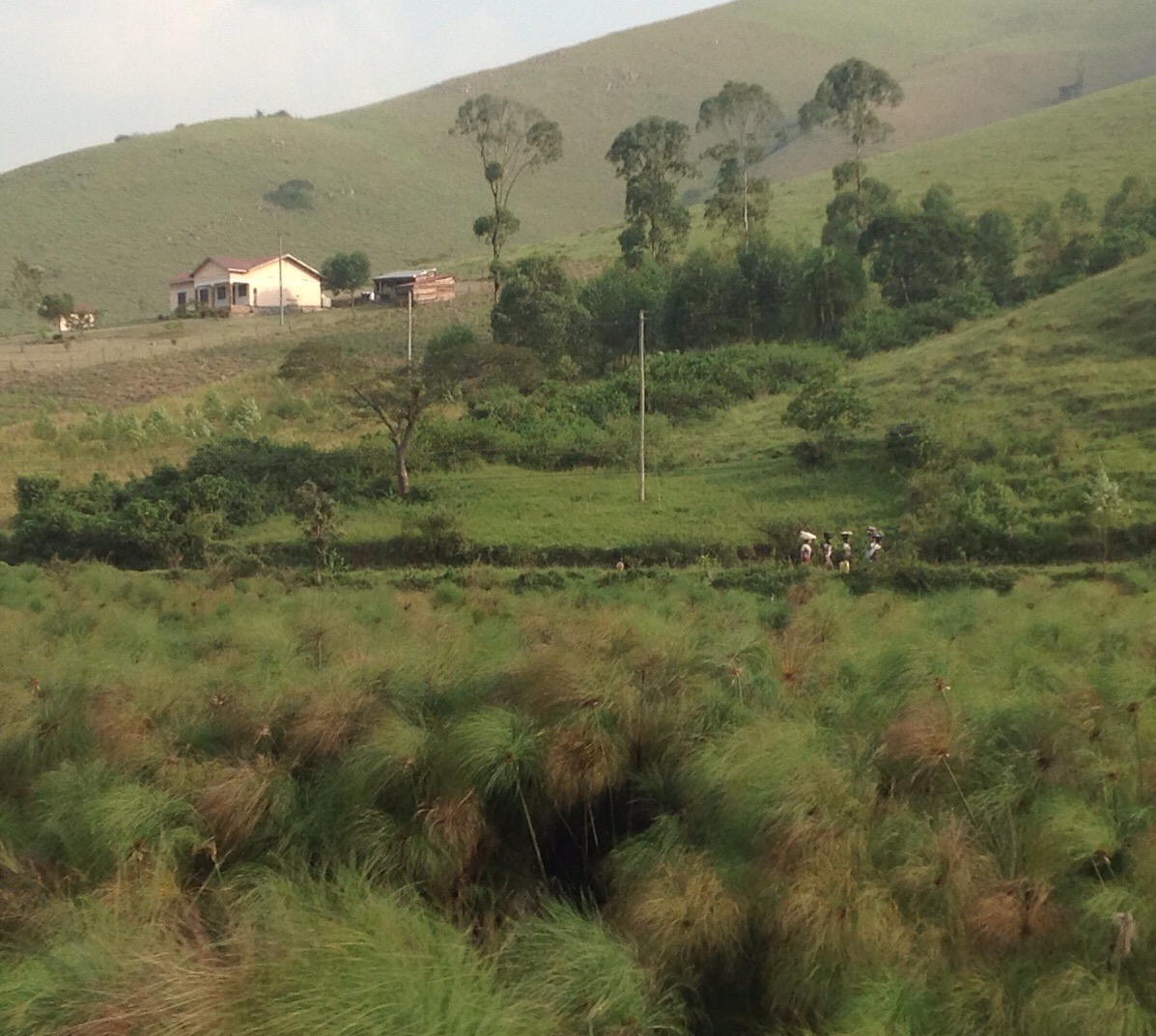
The border into Rwanda has its share of bureaucratic mysteries. Which line do you stand in first? What happens to your passport when it is passed to unseen sets of hands further along the counter? Who will hand over the change for the dollars you paid for the visa? Why don’t they tell you where to go next? The officials were civil but offered few clues and no human connection. We made it through with minimal delay and were on our way toward Musanze. We were prepared to notice the lack of litter compared to Uganda–plastic bags are even against the law! The roadsides felt more manicured and were lined with young trees. The thatched roofs of Uganda gave way to peaked metal roofs of French colonial Rwanda. In the background, we glimpsed looming volcanoes rising up from the vast highland jungle spanning the boundaries of Uganda, Rwanda, and the Congo. Vehicular traffic is sparse, but the flow of walking people and bicycles is steady. They carry the cargo of rural life, bundles of sticks and straw, water jugs, baskets of fruit. Nothing to reconcile the news reels of chaos and massacre that had defiined my image of the country.

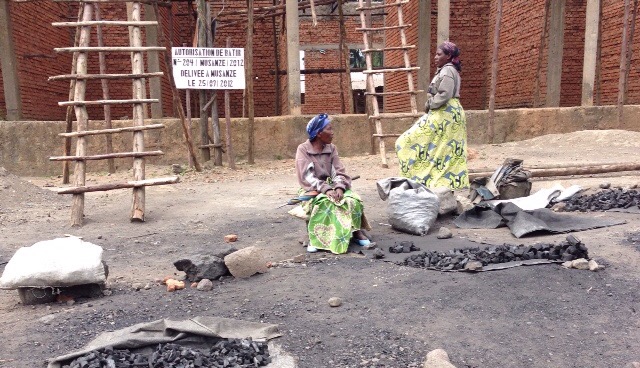
Our tour with Emmanuel from the Gorilla Organization takes us behind the tidy borders of the main thoroughfares and into the worlds occupied by the people we see walking the roads. His organization grew out of Dianne Fossey’s work to save the mountain gorillas when the research-centered American organization split from the European organization that was more interested community centered approaches to habitat preservation. The latter kept the name The Gorilla Organization and had been Emmanuel’s employer for twelve years. We took a small tour around the neighborhood while waiting for his staff to arrive at the field office. The narrow streets were hemmed in by stucco walls. People looked on curiously–this is not a tourist destination. On the other side of the block, we came into an open marketplace, sellers of beans and charcoal are on one side. In the middle of the plaza was a crowd of people and goats. It was hard to discern the process of buying and selling. On the next street, tailors and cobblers have more permanent stations along the street.

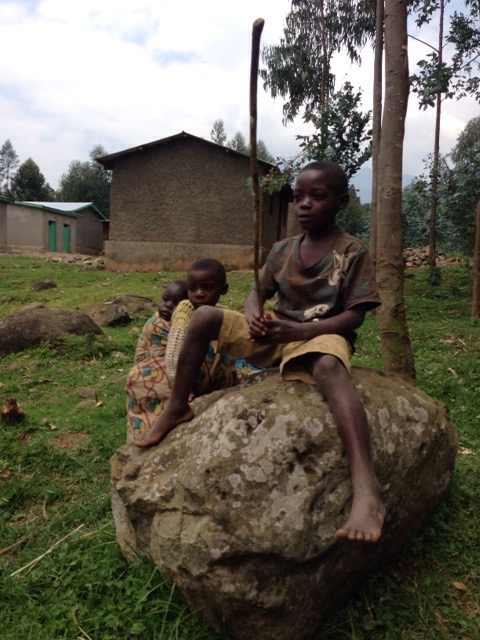
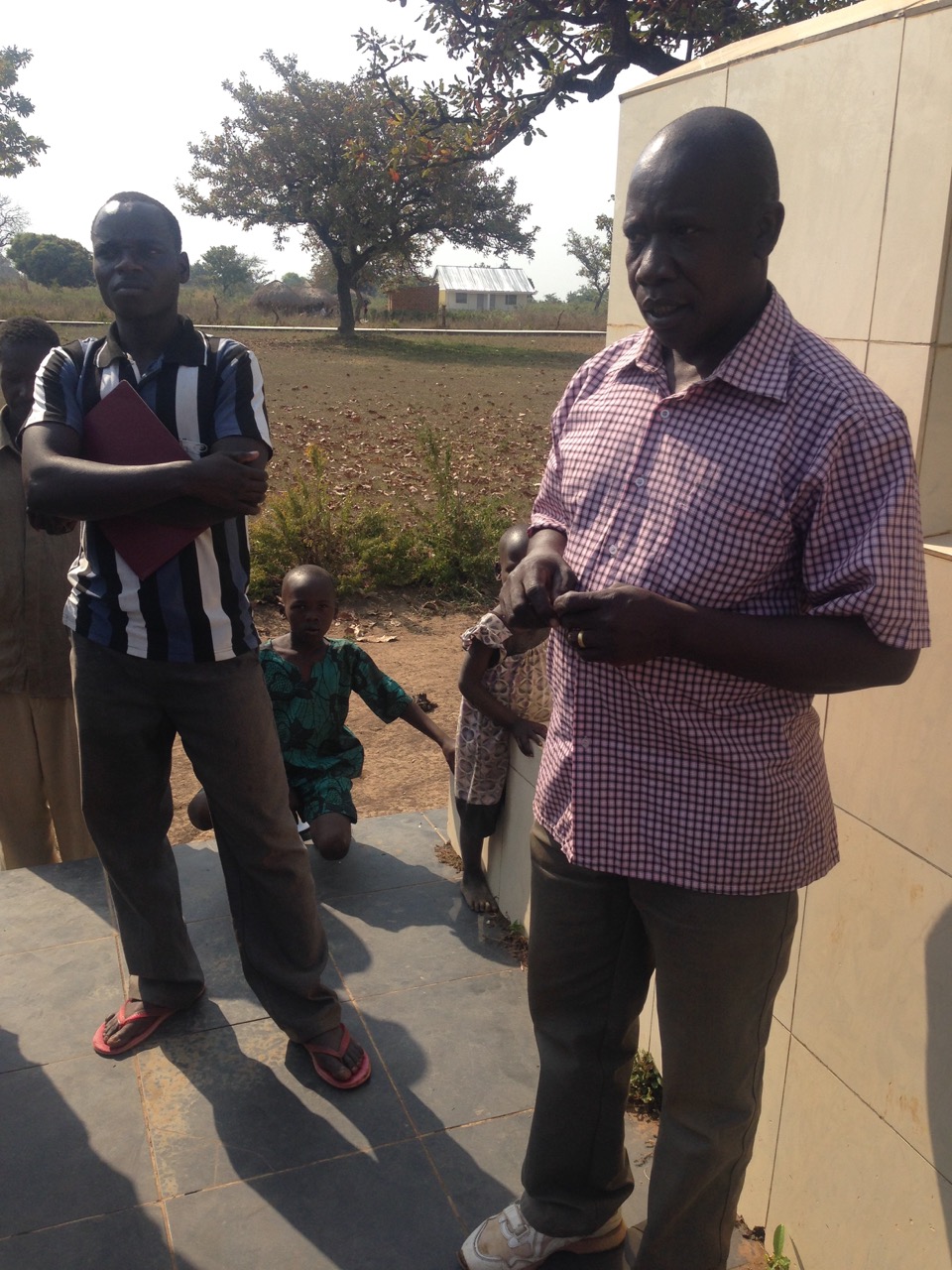
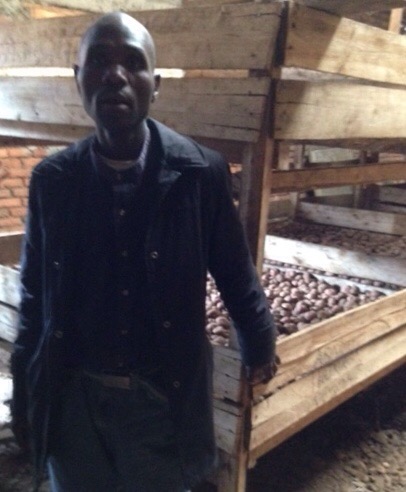
When we got back to Emmanuel’s field office his staff had arrived and we toured the small office. He introduced his staff and explained that they are of the Batwa people who were removed from the national parks to protect he natural habit for the mountain gorillas. In an effort to downplay ethnic identity after the 1994 genocide, the government refers to the Batwa simply as historically marginalized people. The Gorilla Organization is working to help the Batwa to adapt from a hunter-gatherer livelihoods to agriculture. The Batwa staffmembers showed us the storeroom where their communities store seed potato for the next year’s planting. We traveled into the forest to visited one of the relocated communities, conditions were very basic and, according to Emmanuel, both parents are often at home and without work.
IMG_0202.JPG

IMG_0201.JPG

IMG_0200.JPG

Team Rwanda–Jan 14

Posted by profekee on January 14, 2015
Posted in: Uncategorized. Leave a comment

Our day began at the Africa Rising training camp with the cyclists of Team Rwanda. The riders were up early to have breakfast before their morning training and I sat with them while they ate large bowls of porridge with a hard boiled egg mixed in. Nathan and Gasore are two of the original riders who appeared in the Rising from Ashes film. They are in their early thirties, ten years older than most of the riders. These veterans play key coaching and leadership roles, and, with strong English and international experience, they interact with us most readily. These men were ten year old kids when their homeland was ripped to shreds by genocide. The riders welcomed us to their morning table without hesitation, perhaps realizing that every visiting Mzungu may be a potential sponsor, or maybe just because they are used to sharing what they have. The cycling project was conceived by Americans and works directly with the Rwandan federation for cycling, an organization that would have little significance without Team Rwanda. There is not a Rwandan Board of directors but the bodies, hearts and minds that push the bikes ever faster, working as a team, are pure Rwanda.

IMG_0197.JPG

Street scene in Kisoro–January 13

Posted by profekee on January 13, 2015
Posted in: Africa and development, Community Development Class in East Africa—2015. Tagged: #uccsafrica #listenthinkact. 1 Comment

Signs in Kisoro pointed toward the parks and gift shops advertised trekking services. Lunch was delayed as restaurant staff worked to accommodate a group of several hundred Ugandans in matching polo shirts gathered to celebrate the launch of a local credit association. Waiting for my fried chicken, I walked back to the main road to explore where the students might spend their remaining Ugandan shillings on souvenirs. A coffee shop promised free wifi, but had no airtime. A ragtag gathering was loitering in front of a store with wooden carvings, assorted sizes of identical mountain gorillas and a selection of masks. A man out front began to play the drum and another danced in rhythm. Was that young guy sniffing glue? As I retreated from the shop one of the crew reached out to shake my hand. His bleary eyes gleamed and he showed his teeth in a manic smile. His jacket and pants were stained and dark with dirt. I noticed how small his hand was in mine and, though he looked to be more than thirty, he stood only to my chest. It hit me that these were what we once called a Pygmies, however remote from what National Geographic and the movies portrayed. The man’s face is one of the images that my camera missed, but my memory engraved.

IMG_0199.JPG

Getting to know Entusi

Posted by profekee on January 12, 2015
Posted in: Community Development Class in East Africa—2015. Tagged: #uccsafrica #listenthinkact. 1 Comment

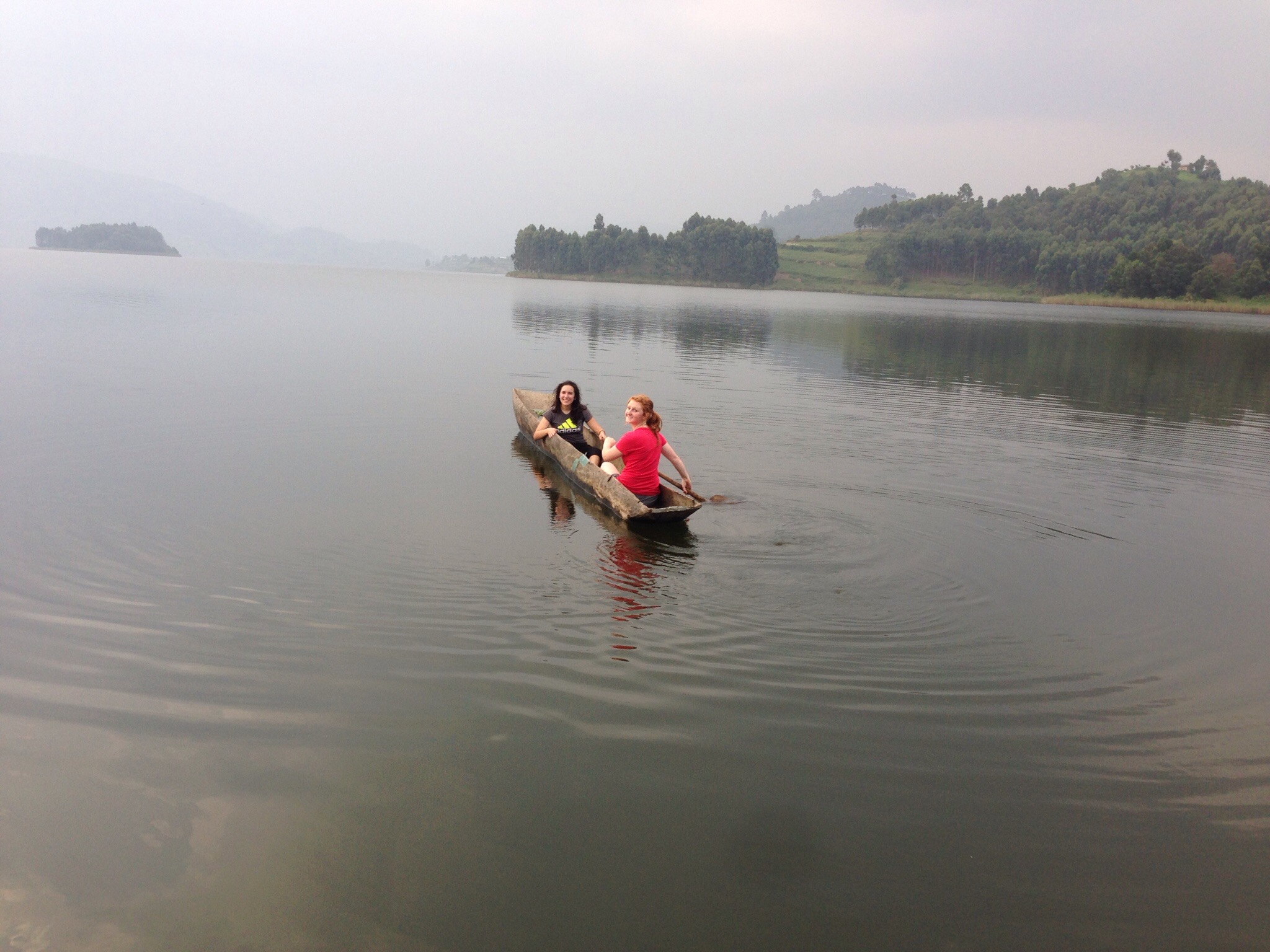
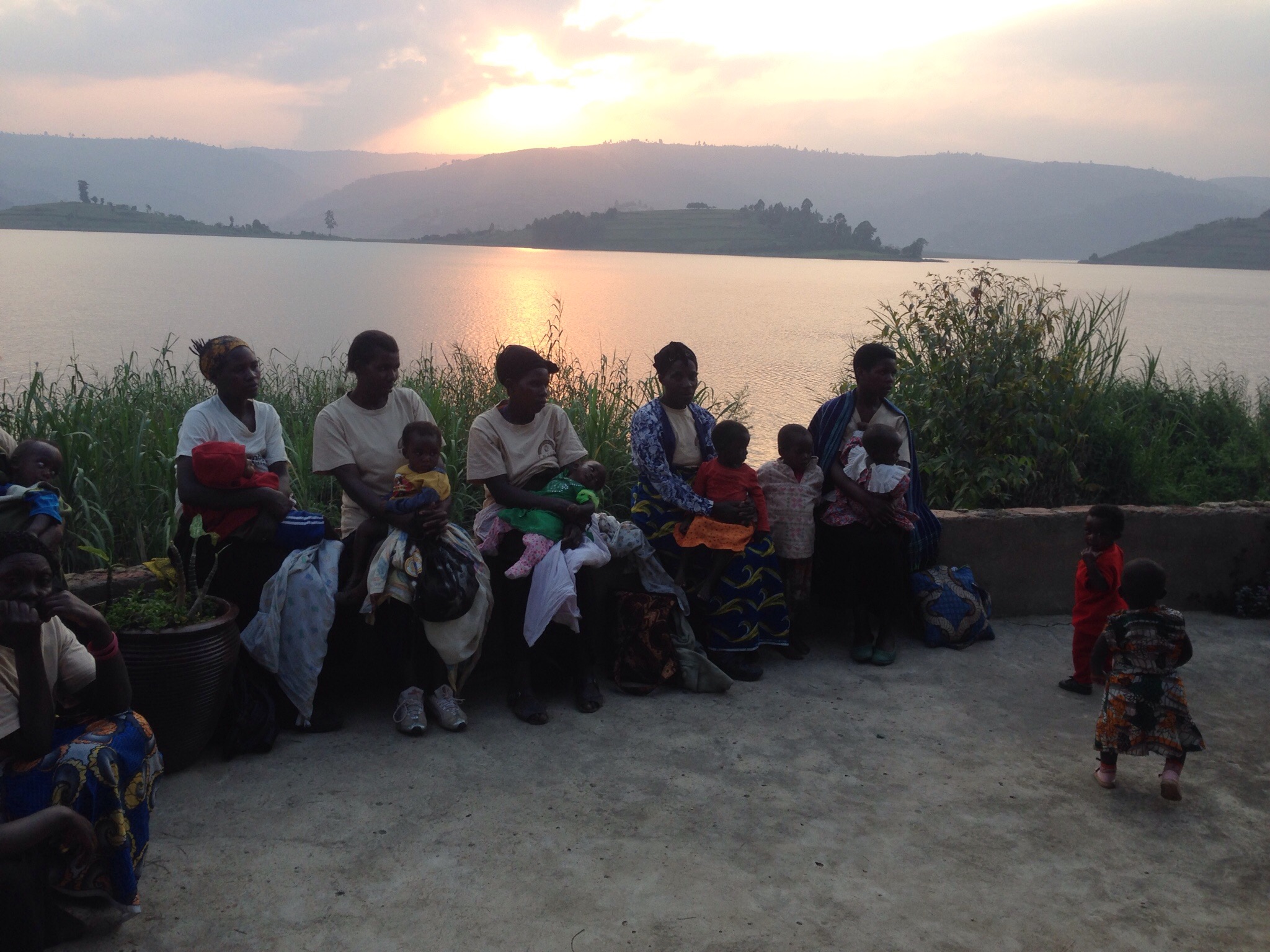
Our days and nights at Entusi retreat center on Lake Bunyoni feel most like a dream. The WIFI was not working, so I fell behind on my blogging, but maybe that just made it more full and more absorbing. Lake Bunyonyi nestles in a bowl of verdant mountains, a string of islands poking heads up like a family of turtles. For us, it was a retreat from the chaotic bustle of Kampala and the recovering war zones of the North. Even more, it offered its own set of riches–gauzy veils of mist that soften the sunlight, villages perched on ridge lines, fishermen and charcoal sellers paddling across the water in dugout canoes, delicious cool water for swimming, a graceful pair of crested cranes landing on a tree top. And, what a treasure to be with the people of Entusi. They built the physical structures of Entusi, but even more, they are building an institution that supports the surrounding communities and creates viable livelihoods.

IMG_0205.JPG

When we arrived, they offered a warm welcome matched that of any five star safari lodge, but with a crucial differences. The Entusi staff are not brought in to work from all over the country, waiting weeks to visit their families back home and to speak their native tongues. They are picked up by boat each morning from villages across the lake and returned each night. They are not scolded for getting to know the guests or talking about how they like their jobs, but are encouraged to share their histories, their homes,tall tales and ideas about what Entusi should become. With soaring unemployment among young people in Uganda, any job is cherished, but working at Entusi is much more than this.

IMG_0204.JPG
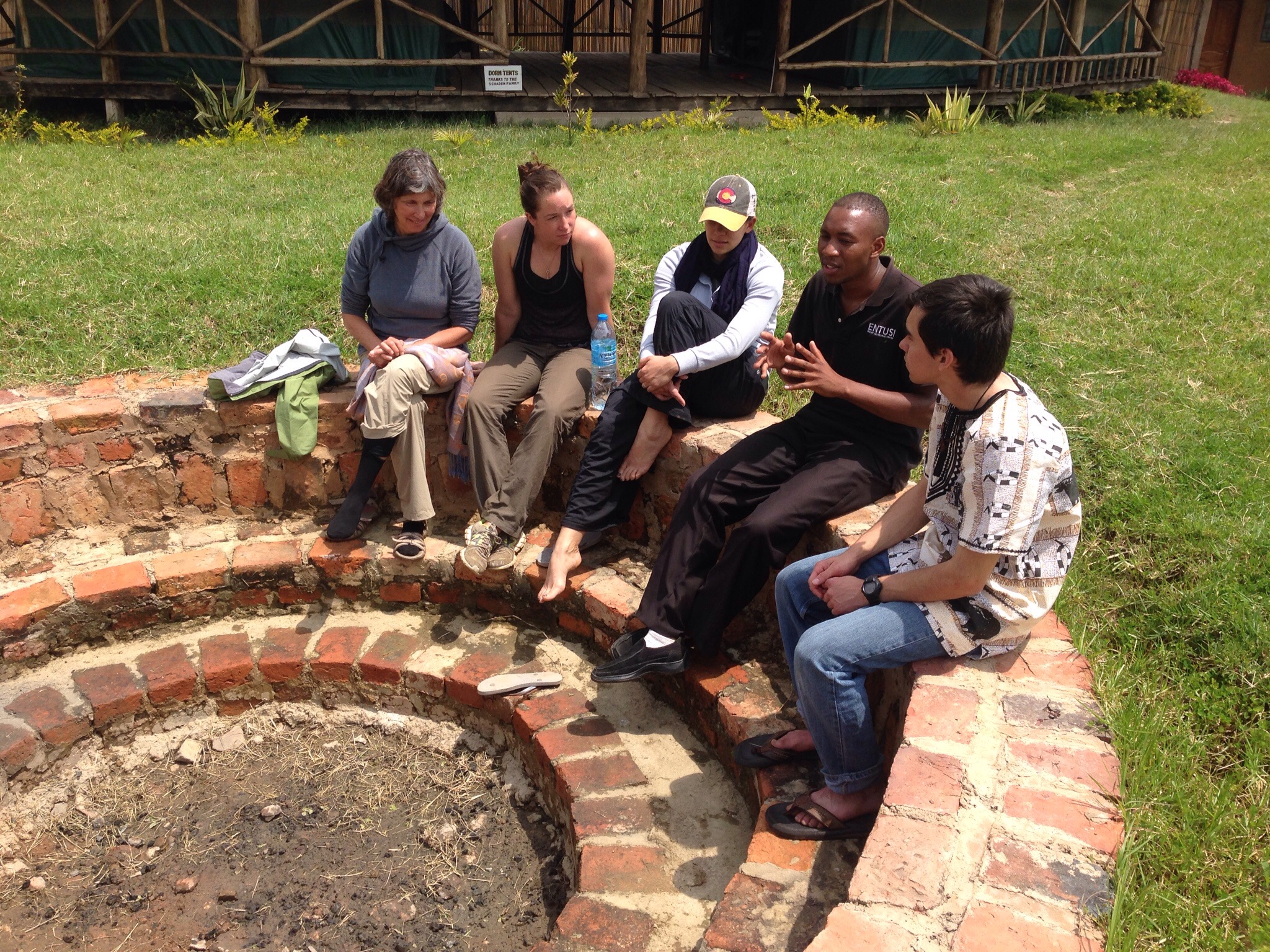
Raymond told a few of us about it over lunch at a resort where he used to work. The other resort was owned by a wealthy Ugandan who took all the profits–when the boss came around everyone tried to stay out of sight and step oh so lightly to not get in any trouble. The pay is better at Entusi without the constant worry of keeping your job. And there is the matter of community– “When we started building Entusi, it took a while to get used to being asked for our input at every step of the project. Now we know our ideas are valued.”

IMG_0206.JPG
On our last night we shared in a feast with the Entusi staff and their families, the women’s association, neighbors from around lake, and other community leaders. It started out a little formal with speeches and thank you’s, but soon we were enjoying roasted goat and a delicious meal prepared by Chef. There was even some local porridge, a fermented drink from cooked grain, Nile Specials, and wine. When eating was done, the DJ took over and the real party began. As the music started, the four coolest looking teenage guys in the crowd walked out on the dance floor and started to dance with each other. I have never been at a dance party where people were less concerned with how they looked or who they danced with. Everyone danced with everyone– from Manager Regan to the UCCS crew to the women’s association to Donboro the boatman to the Sabimana family to Martina and Gilana–in the warm embrace of the African sky.

South by southwest–Jan 10

Posted by profekee on January 10, 2015
Posted in: Community Development Class in East Africa—2015. Tagged: #uccsafrica #listenthinkact. 1 Comment

We have been without Internet for the past six days, so I am playing catch up on writing and posting as the trip winds down.

We are on our last drive through Kampala as we head toward Kabale in Southwest Uganda. Thankfully it is Saturday morning and the traffic is somewhat lighter. For all of the amazing places we have visited, I will not miss these urban bus rides. The pace is not as frenetic as India where vehicles seem to move in all directions and are interspersed with throngs of pedestrians and the occasional sacred cow. The Kampala roads simply have no capacity, with two lanes accommodating four lanes of traffic. And, the system as a whole affords few alternatives for travel in any direction. The rich must certainly have a better time of it than others, leaving the aggravation to their drivers, and never having to take the risks that go with hanging on the back of a Boda Boda,or the discomfort of a jamming into a collective taxi. But short of President Museveni,who can clear the streets for his motorcade of black Range Rovers with tinted glass, everyone gets jammed,

When we finally break free of the city and its gravitational field, everything changes. On the stretches of good pavement, we move easily at seventy to eighty kilometers per hour, slowing occasionally for the speed bumps of a town. A calf grazes along the road staked on a short length of rope. Shopkeepers stand beside wooden tables offering potatoes, tomatoes, tilapia. Men trim roadside weeds with long knives. Bicycles transport everything from water jugs stacked four high to full length fluorescent bulbs. The landscape folds into rolling hills as we approach Mbabara and we keep eyes peeled for zebras.

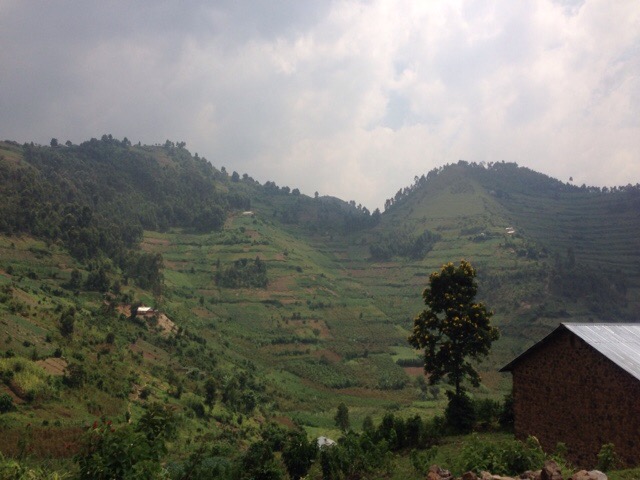
The road improves again on the last leg to Kabale and we climb into the higher reaches of the green hills. Farming terraces step their way high up the slopes. Homes of rich brown adobe spread over wooden frames are tucked into neatly bounded fields and vegetable gardens. Just before town, the bus engine dies and Mansur must nurse it along to make it to the top of the grade, adding water with curry powder to try to staunch the bleeding radiator. By the time we coast into the boat launch, the moon has yet to rise and it is darkest night. We skim across the jet black surface, smooth as marble, skirting the shore until, rounding the point, Entusi welcomes us with open arms.

IMG_0196-0.JPG

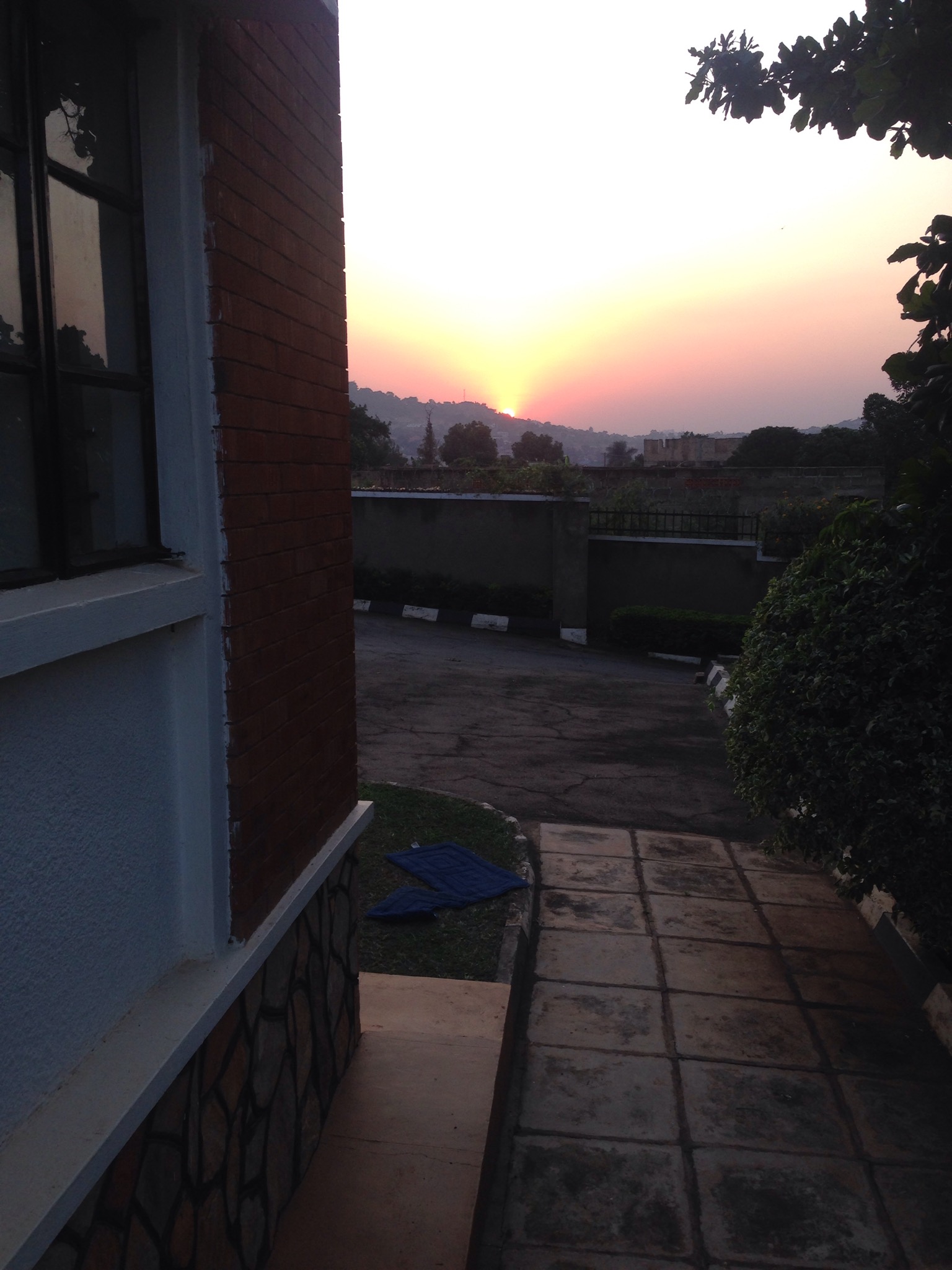
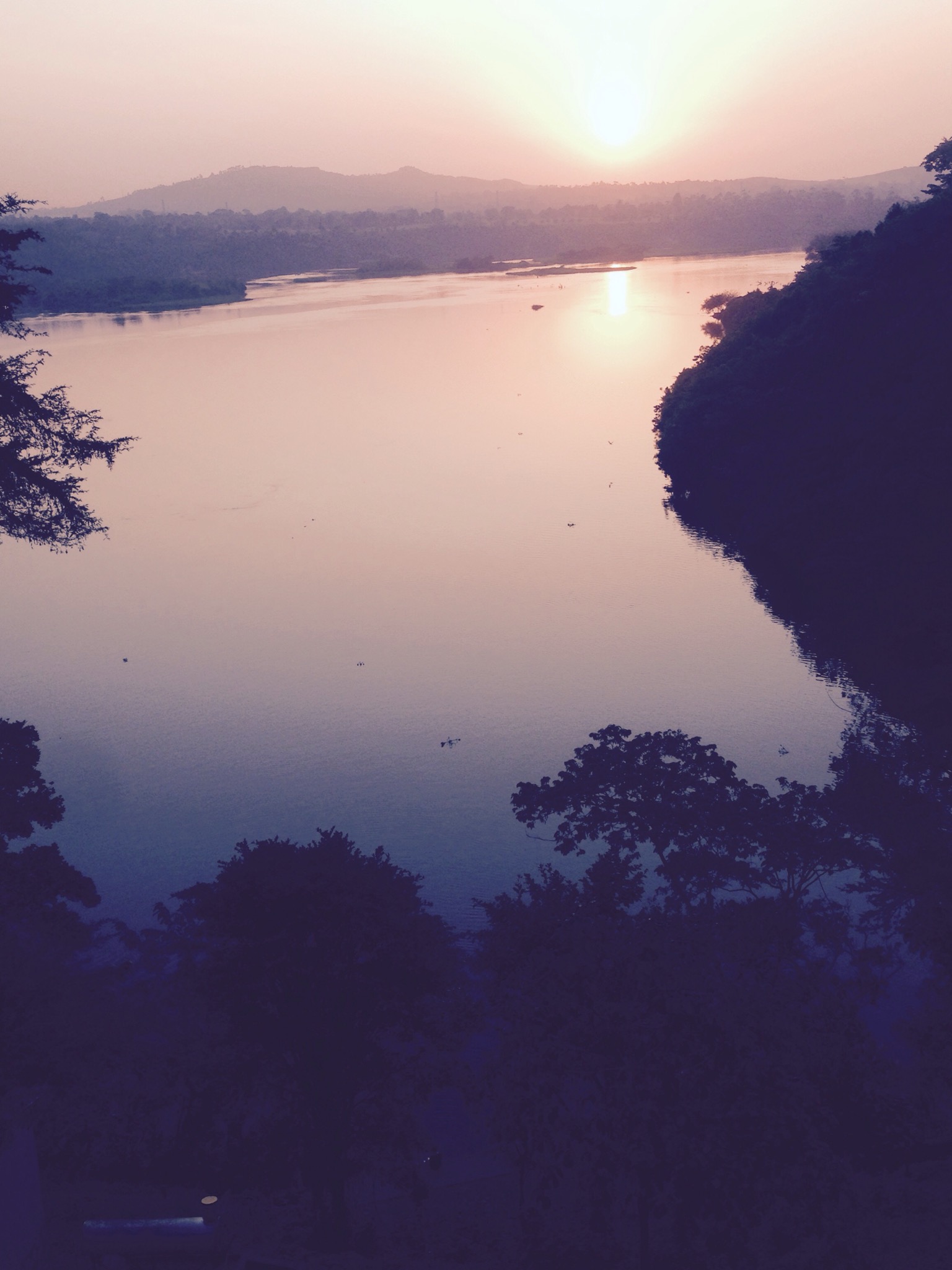
Sunset at GLI Kampala campus

Posted by profekee on January 9, 2015
Posted in: Uncategorized. 1 Comment

IMG_0159-0.JPG

Jinja Main Prison

Posted by profekee on January 9, 2015
Posted in: Community Development Class in East Africa—2015. Tagged: #uccsafrica #listenthinkact. Leave a comment

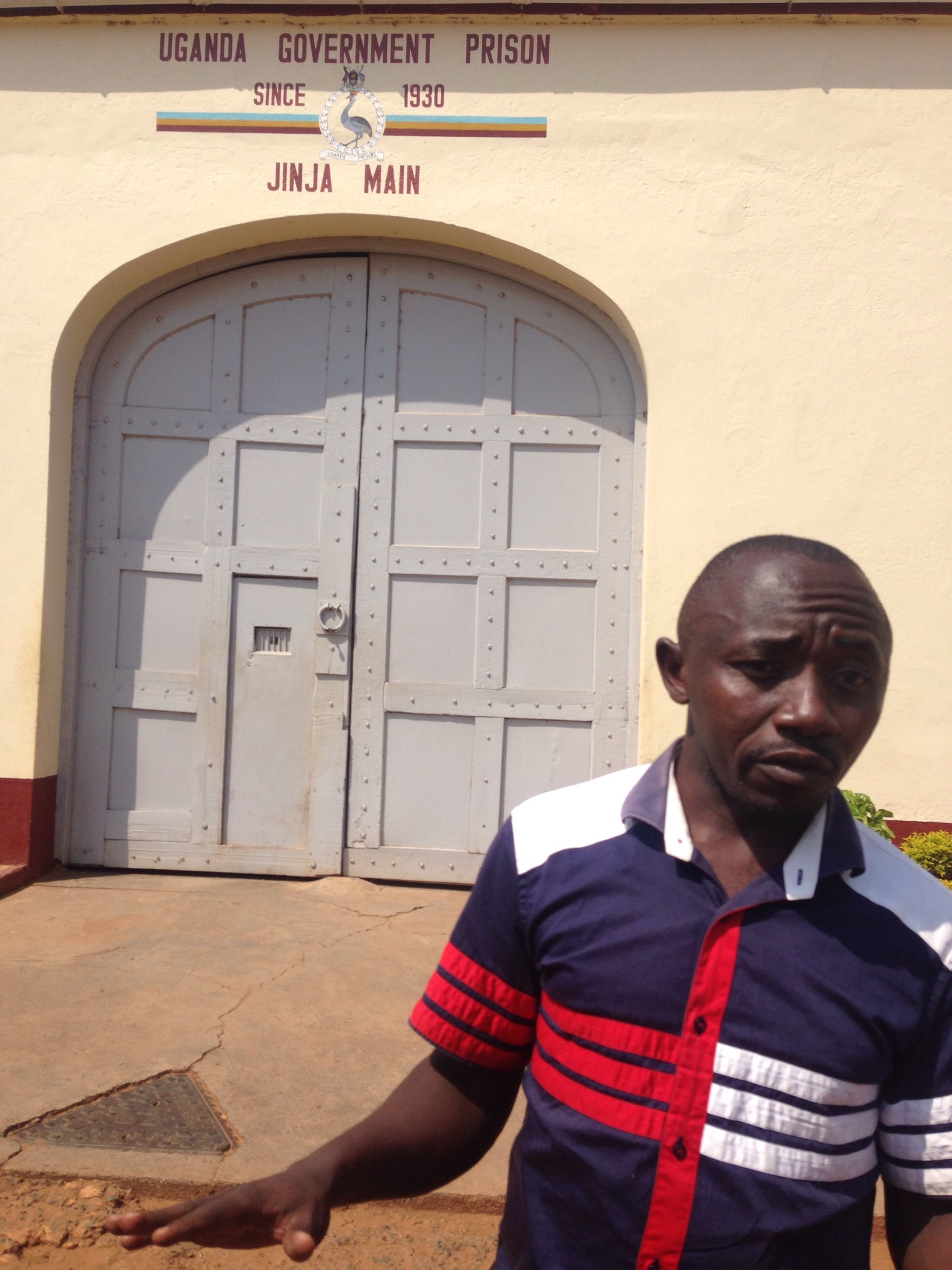
We were not allowed to take our cameras into Jinja Main Prison, so I did my best to inscribe the scene on my mind eye. Six or seven hundred prisoners were gathered before us dressed in the bright convict uniforms of yellow and the orange. We filed across the front as the prisoners sang and clapped to a Christian song in Luganda. Three drummers set the beat and a handful of leaders led the Hallelujahs, We were guests of an organization called Life After Prison, a Ugandan Christian ministry that visits the prison every Friday, bringing basic supplies like soap and toothbrushes to the prisoners and joining them in prayer. One of the organization leaders had served three years in the prison himself and urged us to share a message of hope with the prisoners, We sat In along row in front of the mass of men and listened to introduction by the warden and the prisoners assisting with the program.

With the help of a Luganda translator, each of the students made an impromptu self introduction, giving their own particular message of hope~~sometimes invoking God by name and sometimes not. I looked across the yard at the sea of faces and the bright eyes set in shades of black skin against the field of yellow and orange. I looked beyond the first ring of men gathered closest to the stage to the second tier who responded more moderately to the religious exhortations, And I picked out a scattering of Moslems in prayer hats, searching their faces for expression. I will remember a few faces in particular~~a well built man in his twenties with a high forehead and rounded black pate, His had Buddha eyes from stupas in the high Himalayas. A young man halfway in back met my gaze and I wondered what he thought of me, what he thought of himself.

The Christian message was heartfelt and uncompromising and the prisoners joined in at every turn. When it was my turn to speak, I offered a greeting in Luganda and talked about why I had travelled so far with my students, and how we hoped to learn from standpoints weldistant from our own.

The preachers entertained and inspired, sometimes gathering us uncomfortably along as though we were members of the flock. I might question their evangelical motivations, but I give them full credit for being there and for coming back every Friday. Few others commit to being there with steady messages of hope. I will not forget how the inmates reached out one by one to take my hand in a warm Ugandan handshake as I made my way to the front gate, In the brief moment that I waited for the gate to open, I felt in my throat a rising cry for freedom.

IMG_0158-2.JPG

At the headwaters of the Nile

Posted by profekee on January 9, 2015
Posted in: Uncategorized. Leave a comment

IMG_0151.JPG

On a country road

Posted by profekee on January 8, 2015
Posted in: Community Development Class in East Africa—2015. Tagged: #uccsafrica #listenthinkact. Leave a comment

As we drove out of Barlonyo refugee camp I peered between the brick structures along the road, trying to glimpse the red house where community leader, Moses, said he hid with twenty one others when the LRA swarmed the camp, slaughtering hundreds. He and the others waited until the rebels whistled the all clear, then ran off one by one into the shelter of the bush under smoke cover from burning huts and the burning flesh of family and neighbors. Ten years later, a monument remains to the people who died and more than seven hundred live at Barlonyo. Nearly this number died or were never found for after the massacre.

On the road back to Lira, children waved from every yard. Grown ups too were gathered on the shady side of their houses, circled up in red and white plastic chairs, not just four or five people, but a dozen or
more. And circles of men waved to us from their shared pots of local porridge as they sipped the concoction through long shoots of bamboo. These scenes of country life in Uganda call out of a level of community and relationship that Americans can only imagine.

Yet, just hours before we visited the baby home run by sisters of the congregation of Mary. Each child we met had its own story of being completely alone. From mothers dying in in childbirth to infants abandoned in the bush or on the nun’s doorstep, the little one’s had not a strand weaving them into the dense human web we witnessed on the road..To some degree, this also applies to the people of Barlonyo and other refugee camps, permanently severed from their relations, their ancestors and their home villages. They are ever rebuilding, but when will they truly become part of the fabric?

IMG_0145.JPG

Lira: Complex situations and real people—Guest blog by Kate

Posted by profekee on January 7, 2015
Posted in: Community Development Class in East Africa—2015. Tagged: #listenthinkact #uccsafrica. Leave a comment

It was tropically hot on one of the main pot-holed highways heading North in Uganda towards South Sudan.  We were all using different strategies to cope with this eight hour bus trip, mine being a variation of squatted sitting was deteriorating but at least I could read.  Jamie had printed out articles for us to read as prep for our visit to Lira where we would visit the Rachele Rehabilitation School and the Internally Displaced Person’s Camp.  Atrocities committed by Joseph Kony, a Christian terrorist and leader of the Lord’s Resistance Army (LRA) have been taking place in this area for the past twenty year.

When I looked out into field standing on the memorial of the Displaced Person’s Camp I felt in my gut the horror of the people who had been brought to this camp for protection from their villages at the height of the Kony activities in Lira.  The Kony army attacked the camp killing hundreds and kidnapping many.  We stood on the stone memorial that covered the arch of the village where the huts would have been. “Displaced persons” should not be read over too lightly.  This territory and many other regions of Africa report up to two-thirds of the populations have been displaced refugees due to war.

IMG_6258_2

This January 2015, one of the last remaining LRA leaders, Dominic Ongwen, who was himself kidnapped at the age of 10, surrendered and was transferred from the Central African Republic to the Hague to be put on trial at the International Criminal Court.  “This is a welcome development in the international community’s campaign to counter the LRA’s dehumanizing violence and to bring perpetrators to justice after more than two decades of the LRA’s brutal campaign of torture, rape and murder,” reported US Ambassador to the United Nations, Samantha Power. Prior to our trip I would have agreed.  As a result of this trip I am left in an uncomfortable space of challenging my beliefs, perceptions, cultural inheritance and of understanding of history.

My experiences in Lira exposed me to the differences between a justice system premised on a code of law versus more traditional systems grounded in conflict resolution.  Some critics, including indigenous and religious leaders in the area, argue that the the threat of the International Criminal Court influenced Kony’s decision to not participate in serious conflict resolution and that without resolution the atrocities continue to this day.  (Similar atrocities are happening daily in Nigeria.) This is complicated by the fact that the government of Uganda had granted immunity for the child soldiers.

Is justice a conceptual, cultural paradigm imposed upon the world? Did conflict resolution courts in Rwanda allow only Tutsi injustice to be voiced without granting equal opportunities for crimes committed upon Hutu by the Kagame army? How quickly I wanted to make the questions abstract rather than truly feel.

IMG_3739

However along with our exposure to Lira we had multiple opportunities to share with people who had been involved. Betty is a young woman who was kidnapped as a child and forced into living for survival in the bush as a female child soldier until she eventually escaped.  She and others spoke to us at the Rachele Rehabilitation School.  We spent two days with her and her children, on the bus, at the school, at dinner in the hotel, at the hospital and orphanage.  For every story of destruction there was a story of courage, kindness,  the hard human work on the part of all those involved including families and local /global communities.   There is still much work to do, healing is a long journey.  Betty added another real factor when she sighed and said “I survived, but there is no work here.  How can I feed my children?

IMG_3750_2

Posts navigation

← Older Entries
Newer Entries →
  • Categories

    • Africa and development
    • Arts & Culture
    • Communities in Global Environment
    • Community Development Class in East Africa—2015
    • Community Quests
    • Dreamers
    • E-Learning and Digital Cultures MOOC
    • Extra credit
    • globalizaje
    • Inclusive higher education
    • Innovation
    • Uncategorized
    • urbanizations
  • Enter your email address to follow this blog and receive notifications of new posts by email.

    Join 29 other subscribers
  • Recent Posts

    • Killing of Chicago Teen Renews Focus on Latinos and Police Brutality; Colo. Parents Reflect on Child to Mass Shooting | The Takeaway | WNYC Studios
    • Video: Watch: Trump’s Atlantic City Hotel and Casino Demolition
    • Chico Basin bird oasis eyed by Colorado land managers as money source for schools
    • How These Scrap Wood Startups Could Help Colorado Fight Wildfires
    • Two Biden Priorities, Climate and Inequality, Meet on Black-Owned Farms
  • Meta

    • Create account
    • Log in
    • Entries feed
    • Comments feed
    • WordPress.com
Blog at WordPress.com.
Profe Kee
Blog at WordPress.com.
  • Subscribe Subscribed
    • Profe Kee
    • Join 29 other subscribers
    • Already have a WordPress.com account? Log in now.
    • Profe Kee
    • Subscribe Subscribed
    • Sign up
    • Log in
    • Report this content
    • View site in Reader
    • Manage subscriptions
    • Collapse this bar
 

Loading Comments...